Modernizing for the Missileer

Northrop Grumman’s digital engineering approach is creating an unprecedented view of missile readiness. See how this team is transforming battlespace awareness.

missile in silo

By Marynoele Benson

A picture is worth a thousand words, and for missileers, that’s critical.

For today’s missileer, getting a clear, real-time picture of ongoing operations in the missile field can be challenging. Information sharing is done through sheer force of will over phone lines and radio, with information fused together manually by commanders. But with the Sentinel program, the weapon system does the work. It merges data from across the wing to simultaneously provide full battlespace awareness not only to missileers, but to security forces, maintainers, operators and mission support personnel. The Northrop Grumman-built system allows faster and more accurate decision making for the most important mission in the nation.

two soldiers at missile launch console

Generational Leap

The Sentinel program is a generational leap in technology, digitizing what used to be an analog, manual process. Sentinel’s command and launch system is the first intercontinental ballistic missile (ICBM) system to be completely driven by software and computers.  In fact, a significant portion of the software and computer innovations developed for the whole program fall within the scope of the command and launch segment. The software, racks and boxes that integrate with the constructed products like the Launch Silos (LS) and Launch Command Centers (LCC) will bring expanded capability to the weapon system. There’s a lot of new going into this system, ushering it into the digital age. 

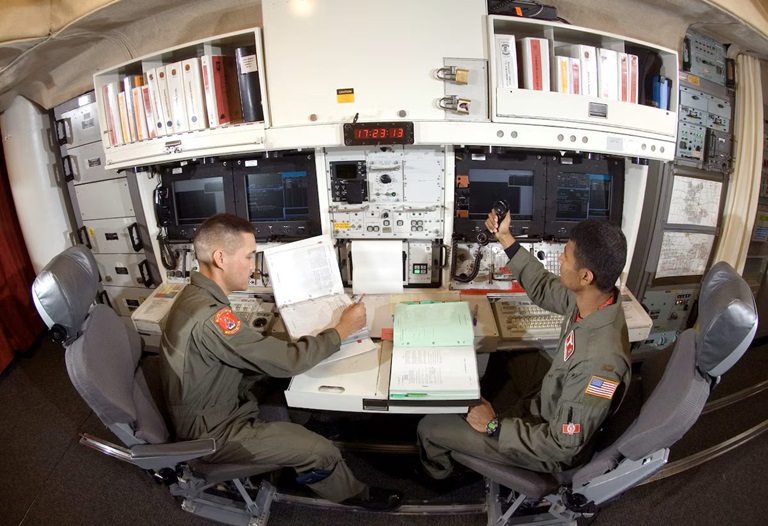
View inside today’s Launch Control Center, designed in the 1950s and upgraded in the 1990s. Photo credit: USAF.

Sentinel launch console

A Digital Approach from the Ground Up

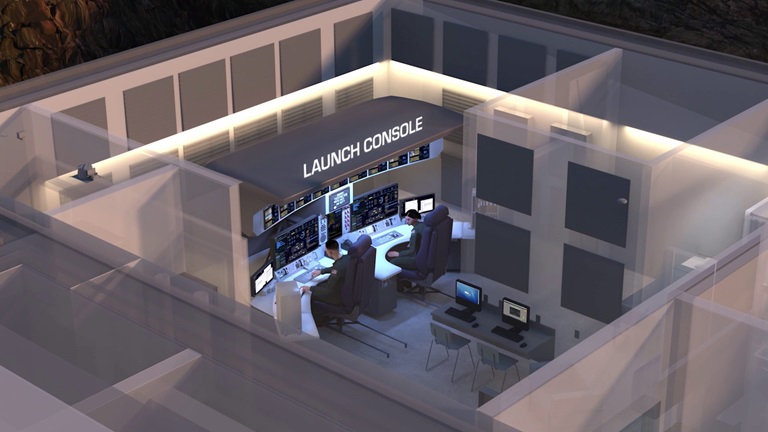
The Sentinel weapon system is a completely new design from the ground up, delivering a more advanced, capable weapon system than ever before to deter future threats. Given the size, scale and national importance of this project, the question is, how is the Northrop Grumman team pulling it off? Unlike old school paper, they are using the latest in digital engineering practices — implementing a model-based systems engineering approach to digitally build a system from the ground up. This method is saving time, lowering risk and delivering first-time quality. The new design will result in a faster and more efficient way to transmit significantly more data than ever before, while providing better access to information for operators to execute the mission and maintain and secure the launch facilities.

Artist rendering of a future Launch Console in one of 24 Launch Centers. Image credit: Northrop Grumman.

map with overlay of missile wings

Advanced Physical Security and Maintenance

Responding to 21st century threats, Northrop Grumman and the Air Force are collaborating to design an integrated system that shows the precise source of an intrusion using the latest sensors to provide a more complete physical security status. This will enhance the efficiency and effectiveness of security forces, while also improving safety.

Meanwhile, from a maintenance perspective, the new software system allows more rapid, direct insight into where faults in the missile may be occurring and how to respond. Imagine your car telling you exactly where the problem is and how to fix it! Sentinel systems will be easy to navigate and clear for airmen to determine missile status. This represents a dramatic maintenance capability enhancement by providing the ability to deploy fixes faster than ever before. This means Sentinel will remain resilient and highly responsive.

Image credit: Northrop Grumman.

Silhouette of military member in control center

Expanding the View

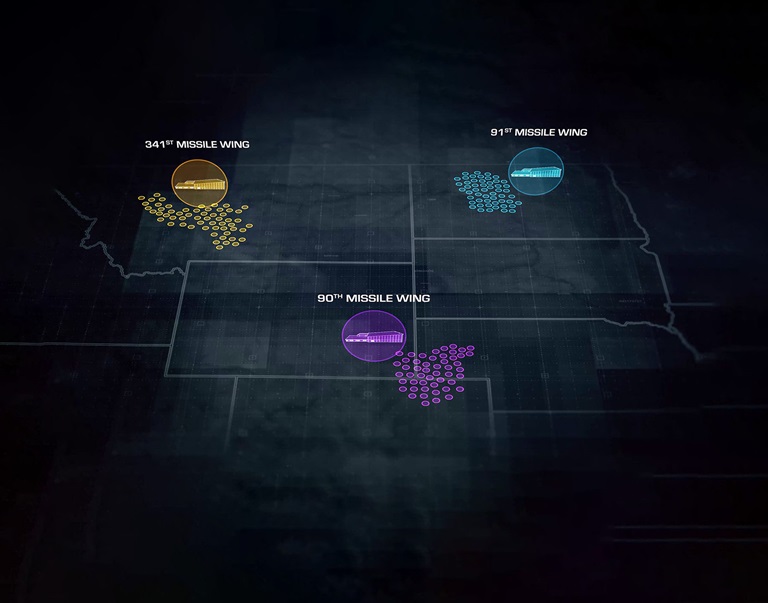
Sentinel’s command and launch system is truly expansive — geographically and functionally. Distributed across multiple locations and spanning five states, the system will be used by hundreds, including maintenance, security and cyber organizations to provide critical readiness updates that together create robust situational awareness. The full system includes 400 missiles, 450 Launch Silos, 24 Launch Centers and three new Wing Command Centers (WCC) all interconnected. This new WCC will provide base commanders an even larger command and control perspective and readiness level than ever before. The WCC will be the hub for all this information from the wings, where security, maintenance, operations and cyber come together to create a real-time operational picture. All that situational awareness feeds the real critical mission capability, which allows faster responsiveness to the different scenarios managed by the airmen so they can stay as flexible and informed as possible. That’s precisely how the Northrop Grumman team is making an impact and contributing to mission success.

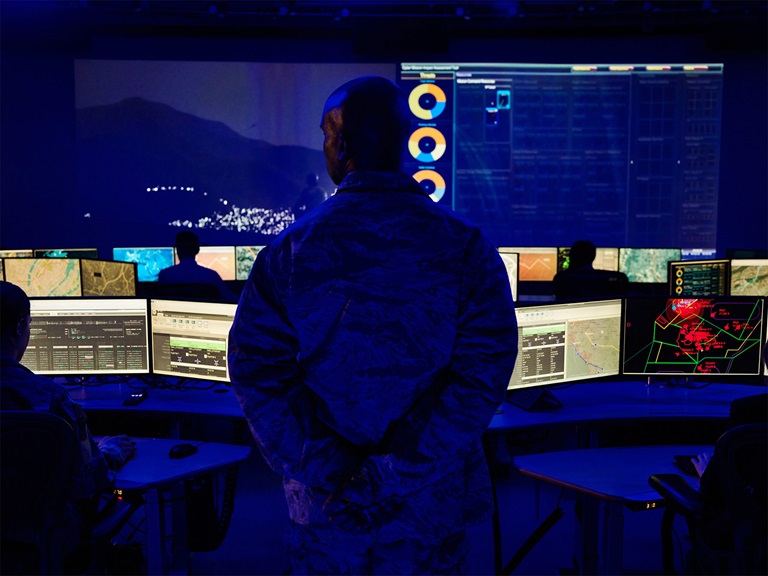
Vision for the new WCC: a digital, integrated, ergonomic battlespace view for missileers, replacing paper and phone lines. Photo credit: Northrop Grumman.

Summary

Northrop Grumman’s Sentinel program transforms ICBM operations with a fully digital command and launch system, enhancing situational awareness, security, maintenance, and rapid decision-making across a vast missile wing.

Key Takeaways

  • Sentinel digitizes ICBM command and launch, drastically improving real-time battlespace awareness and operational responsiveness.
  • Sentinel’s model-based digital engineering drives faster, quality delivery and scalable situational awareness across multiple locations.