The Doolittle Raiders’ Legacy Lives On, 75 Years Later
The Doolittle Raiders’ Legacy Lives On, 75 Years Later
During the early days of U.S. military involvement in World War II, the country had been caught off guard, suffering a string of devastating defeats, and left with few victories on the horizon. Most far-flung U.S. military outposts in the Pacific had been lost in mere weeks, with forces in the Philippines surrendering in April 1942, just over five months after the Imperial Japanese attack on Pearl Harbor.
This string of events left much of Asia, and even Australia, open to possible invasion. With Germany virtually in control of Europe and much of North Africa, the Axis powers appeared to be holding every advantage. At the time, Americans longed for good news that would bring hope for their future.
* * *
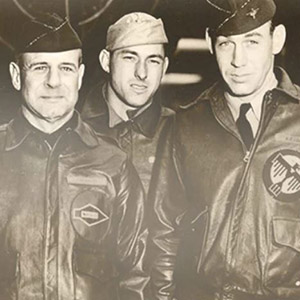
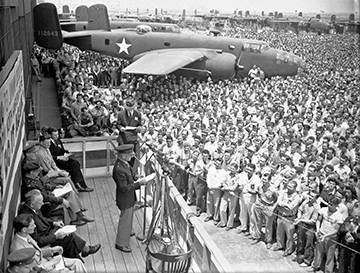
Photo Caption:
Brig. Gen. Jimmy Doolittle, promoted two ranks following the successful raid, thanks B-25 aircraft plant workers in Inglewood, California, in June 1942 for their support. (U.S. Air Force photo)
* * *
America's enemies at that time viewed the United States as ill-prepared to defend itself. Americans were viewed as isolationists, too weak to stand up for themselves and their allies.
That's when a plan was devised that seemed so bold and crazy it might be impossible. Its participants are now known as the Doolittle Raiders.
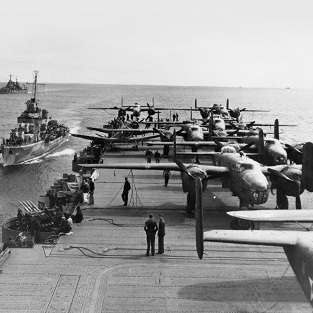
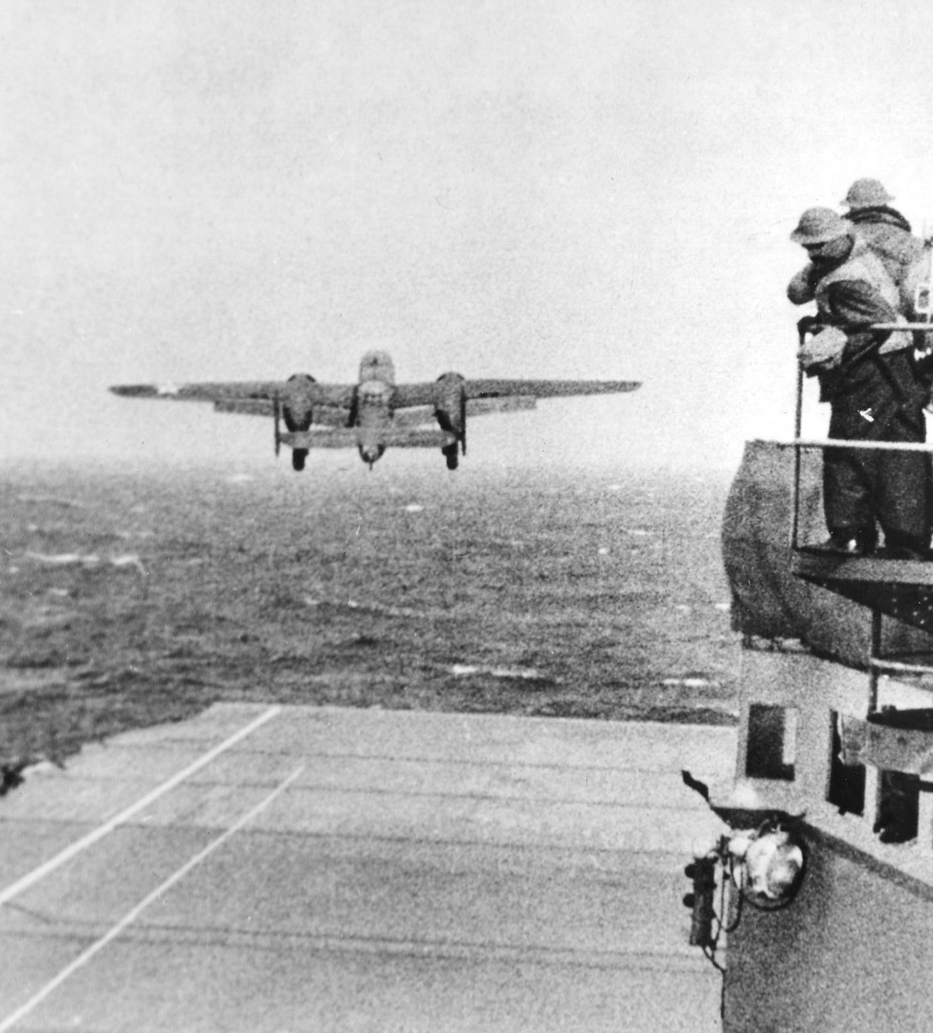
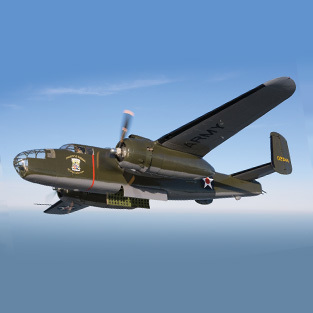
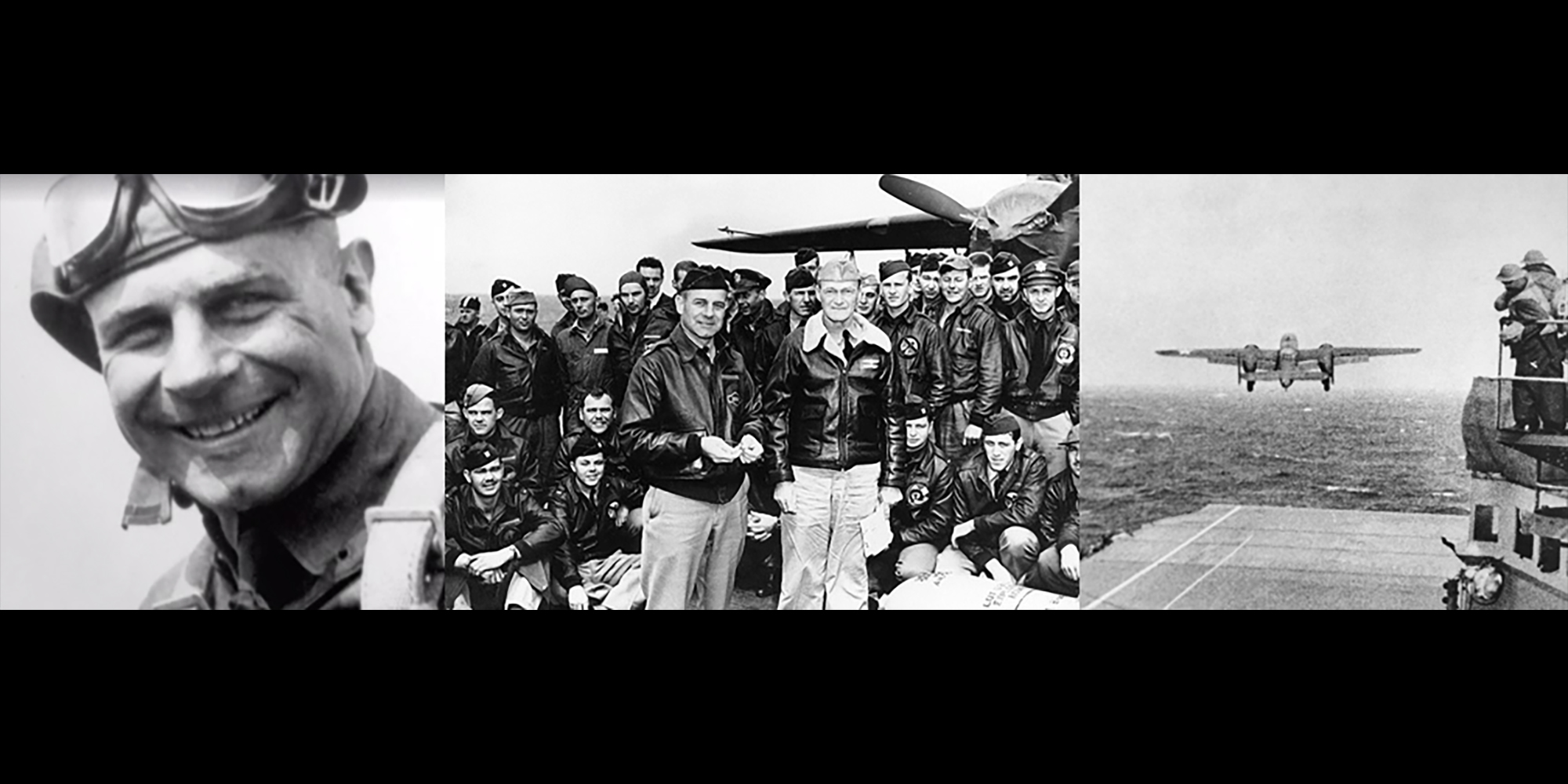
A group of 80 U.S. Army Air Corps B-25 Mitchell bomber crew members, led by Lt. Col. Jimmy Doolittle, would launch an extremely long-range attack off the deck of an aircraft carrier against military and industrial facilities in the Japanese capital of Tokyo. The mission was so far from any Allied airfields that the 16 B-25 would then have to fly directly to China to achieve any hope of finding a safe landing.
The Doolittle Raiders knew they might not make it back. If their mission were successful, however, it would have far-reaching effects on American morale and prove that mainland Japan was not impervious to attack.