Meeting Evolving Threats in Missile Defense – From Every Direction
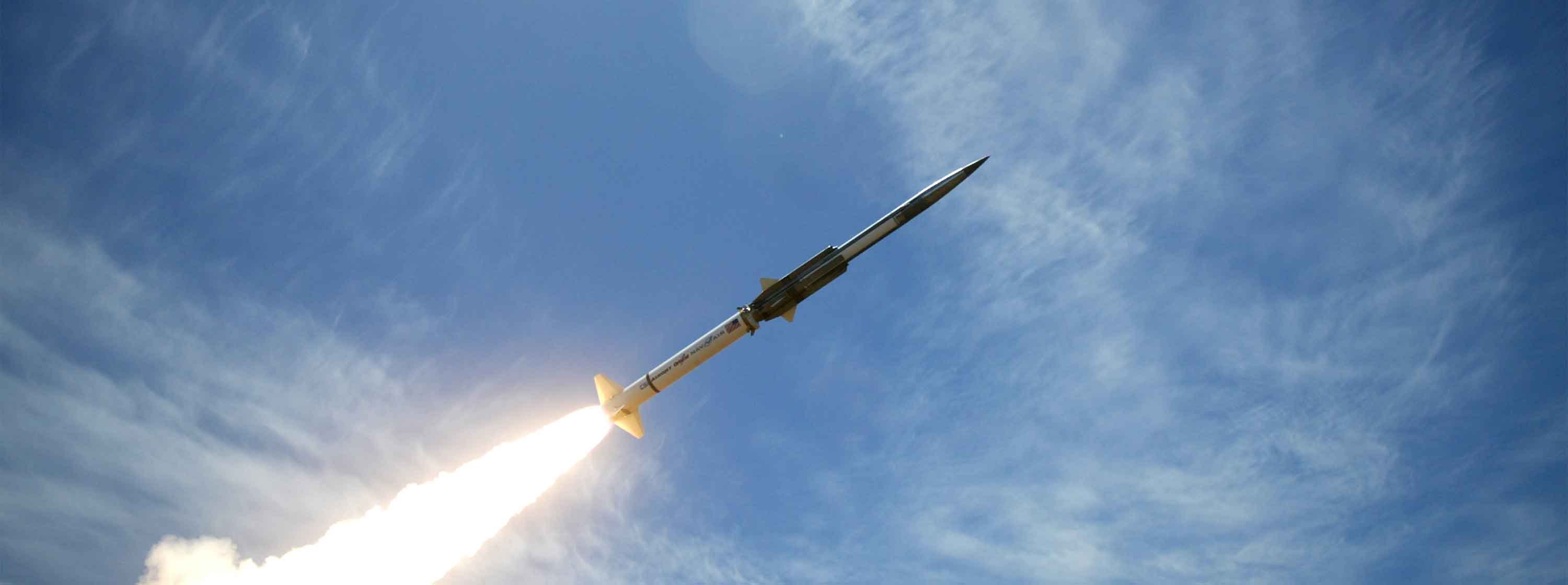
Northrop Grumman also produces suborbital target vehicles that simulate cruise missiles designed to test the defenses used to protect ships while flying as low as 15 feet off the deck.
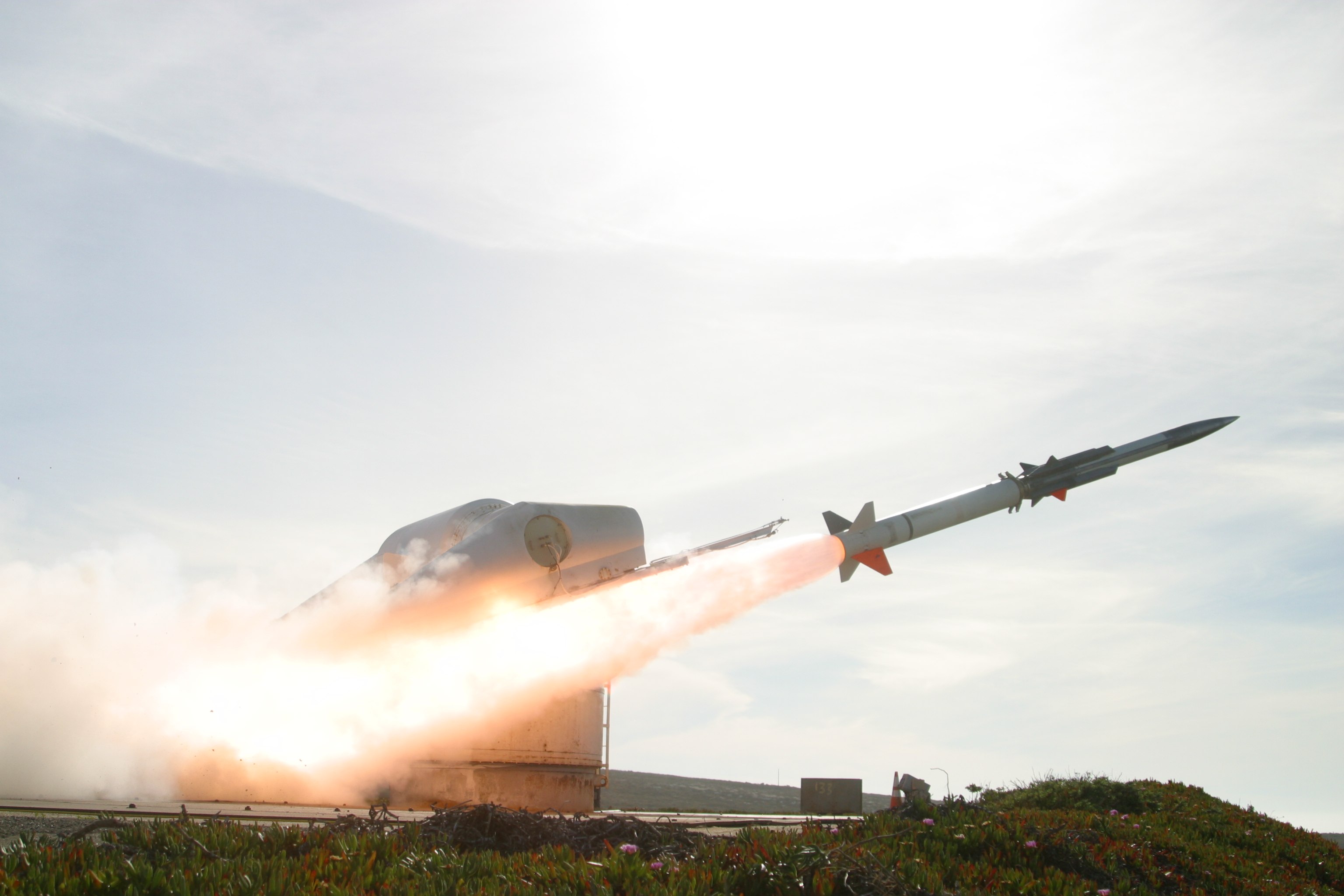
"The GQM-163A Coyote is a supersonic, sea-skimming target we've been producing since 2000," said Mike Couture, chief engineer for that program. "We also build a high-diving variant that starts at up to 50,000 feet, then dives onto the target at speeds approaching Mach 4."
During a test, he explained, the Coyote is launched on a ballistic booster from a Mk 7 missile ground launch system.
"After six or seven seconds, the vehicle separates, and an air-breathing ducted rocket takes over. The target vehicle then descends to its cruise altitude, which can be anywhere from 15 to 50 feet above the ocean," he said.
As with other types of suborbital target vehicles, Couture continued, the customer defines the test requirements, then Northrop Grumman designs a target that can simulate the desired cruise missile behavior. "Over the last 20 years," he enthused, "we've evolved the GQM-163A from a straight-flying target with essentially no maneuvers to now not only a high-diving variant but also a target that can perform high-G turns, either in azimuth (side to side) or elevation (pitching up and down). We've also added spiral maneuvers, payloads with different radar cross sections, and electronic countermeasures to challenge Navy shipboard electronic and kinetic defense systems."